


Robot Vacuum Cleaners UK
Overview
-
Posted Jobs 0
-
Viewed 203
Company Description
A Step-By-Step Guide To Vacuum Mop Cleaner Robot From Beginning To End
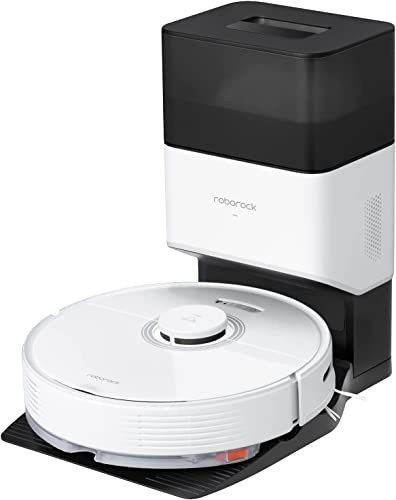
The Rise of the Robot Cleaner: Exploring the World of Vacuum Mop Cleaner Robots
In today’s hectic world, the need for convenience and efficiency in household chores is higher than ever. Amidst the pressure of everyday life, discovering time for comprehensive cleaning can feel like a luxury. This is where the ingenious world of vacuum mop cleaner robotics actions in, offering a helping hand in preserving pristine floorings with minimal effort. These innovative gadgets are no longer a futuristic fantasy however a concrete reality, quickly ending up being a staple in contemporary homes. By combining the functions of vacuuming and mopping into a single, automatic unit, these robotics guarantee to reinvent home cleaning, permitting people to reclaim their important time and enjoy regularly clean home.
Vacuum mop cleaner robotics represent a substantial leap forward in home automation. They are smart, self-navigating gadgets designed to autonomously clean floorings, tackling both dust, particles, and spills with exceptional ease. These robotics are not merely upgraded vacuum; they are sophisticated cleaning systems equipped with innovative sensors, smart algorithms, and double cleaning mechanisms to offer a detailed floor cleaning service. As technology continues to advance and prices become more accessible, the appeal of these robotic assistants is only set to grow, guaranteeing a future where shimmering clean floors are easily kept by our automated allies. This post will dive into the world of vacuum mop cleaner robotics, exploring their performance, advantages, types, essential considerations when picking one, and what the future holds for these increasingly popular home companions.
How Vacuum Mop Cleaner Robots Work: A Symphony of Technology
The magic behind vacuum mop cleaner robots lies in their complex blend of software and hardware. These gadgets perfectly integrate vacuuming and mopping abilities, operating autonomously to provide a comprehensive cleaning experience. Understanding their inner workings is important to valuing their efficiency and picking the best model for particular requirements.
At their core, vacuum mop cleaner robotics use a combination of technologies to navigate and clean successfully. Here’s a breakdown of their key functional components:
-
Navigation and Mapping: Modern robot vacuum mops utilize advanced navigation systems to comprehend and map their cleaning environment. Numerous high-end designs employ LiDAR (Light Detection and Ranging) technology, which uses lasers to develop a comprehensive map of the room. This permits for effective cleaning courses, systematic space coverage, and barrier avoidance. Other robotics might make use of camera-based visual SLAM (Simultaneous Localization and Mapping) or rely on infrared sensing units and gyroscopes for navigation. Simpler models might utilize a more random or bounce-based navigation system, which, while less efficient, still gets the task done gradually.
-
Vacuuming System: The vacuuming function is normally powered by a motor that produces suction. This suction, combined with turning brushes beneath the robot, raises dust, dirt, pet hair, and other debris from the floor. Gathered particles is then carried into an internal dustbin. The suction power and brush style can differ between models, influencing their efficiency on various floor types and in selecting up different kinds of dirt.
-
Mopping System: This is where vacuum mop robots truly differentiate themselves. They are equipped with a water tank and a mopping pad. Water is given onto the pad, which is then dragged or turned across the floor surface. Various designs utilize various mopping mechanisms:
- Dragging Mop Pads: These are the most basic and most common. The robot drags a moist microfiber pad throughout the floor.
- Vibrating Mop Pads: Some robotics feature vibrating mop pads that scrub the floor more efficiently, loosening harder stains and grime.
- Turning Mop Pads: More innovative models make use of turning mop pads that simulate manual mopping actions, offering a deeper tidy and better stain removal capabilities.
- Sonic Mopping: Premium robots include sonic vibration technology, developing high-frequency vibrations in the mopping pad for intensely reliable scrubbing.
-
Sensors and Intelligence: A variety of sensing units are essential for robot operation. Cliff sensing units avoid robotics from falling down stairs. Bump sensing units detect barriers. Wall sensing units permit edge cleaning. The robot’s software application and algorithms procedure sensing unit information to make intelligent choices about cleaning courses, barrier avoidance, and going back to the charging dock when the battery is low or cleaning is complete. Numerous robotics now use mobile phone app combination, making it possible for features like scheduling, zone cleaning, and real-time tracking.
The Plethora of Perks: Why Choose a Vacuum Mop Robot?
The popularity of vacuum mop cleaner robots is not simply a passing pattern; it is rooted in the tangible benefits they offer to modern families. Purchasing among these devices can substantially improve your lifestyle and home environment in numerous methods:
-
Time and Effort Savings: This is possibly the most compelling advantage. Robot vacuum mops automate a lengthy task, maximizing your important time to concentrate on other concerns, whether it’s work, family, hobbies, or merely relaxation.
-
Constant Cleanliness: Unlike handbook cleaning which might be sporadic, robots can be programmed to tidy daily and even numerous times a day, ensuring consistently clean floorings and a much healthier living environment.
-
Reaching Under Furniture: Their low profile allows robots to easily navigate under furniture like beds, sofas, and cabinets, areas that are frequently hard to reach with conventional vacuums and mops.
-
Set up Cleaning: With app control and scheduling features, you can set the robot to clean up at particular times, even when you’re not home. Picture coming home to freshly cleaned floorings every day without lifting a finger!
-
Improved Air Quality: By regularly vacuuming and removing dust and irritants from floorings, robot vacuum mops contribute to enhanced indoor air quality, which can be especially helpful for individuals with allergies or breathing sensitivities.
-
Reduced Physical Strain: For individuals with movement concerns, back issues, or simply those who discover vacuuming and mopping physically requiring, a robot cleaner provides a welcome reprieve, removing the requirement for difficult physical activity.
-
Pet Hair Management: Robot vacuum mops are especially efficient at dealing with pet hair, a common home problem for pet owners. Routine cleaning minimizes pet dander and keeps homes cleaner and more hygienic for both animals and their owners.
Browsing the marketplace: Types of Vacuum Mop Robots
The marketplace for vacuum mop cleaner robotics varies, with different models catering to various requirements and budgets. Understanding the different types can assist you make an informed option:
-
2-in-1 Vacuum and Mop Robots: These are the most typical type, integrating both vacuuming and mopping performances in a single system. They typically change between modes or run both concurrently depending upon the model.
-
Dedicated Vacuum Robots with Mopping Attachment: Some robots are primarily created for vacuuming however offer a detachable mopping module. These may be a good alternative for those who prioritize strong vacuuming abilities but desire occasional mopping functionality.
-
Dry Mopping vs. Wet Mopping Robots: While essentially all “mop” robots provide damp mopping to some extent, some are much better matched for primarily dry sweeping and light moist mopping for dust elimination. Others are designed for more robust wet mopping with features like adjustable water circulation and scrubbing pads.
-
Navigation Technology Based Classification:
- LiDAR Navigation Robots: Offer the most exact navigation, efficient cleaning courses, and advanced features like space mapping, zone cleaning, and no-go zones.
- Camera-Based Navigation Robots: Use visual SLAM for mapping and navigation, frequently providing excellent protection and item acknowledgment.
- Infrared and Gyroscope Navigation Robots: More economical options that use sensors and gyroscopes for navigation, usually less systematic and effective than LiDAR or camera-based systems.
- Random/Bounce Navigation Robots: Basic models that move arbitrarily, altering direction upon encountering barriers. While less efficient, they can still clean up effectively with time, especially in smaller sized spaces.
-
Feature-Based Classification:
- Self-Emptying Robots: These robotics automatically empty their dustbins into a bigger base station, significantly reducing upkeep frequency.
- App-Controlled Robots: Offer mobile phone app combination for scheduling, push-button control, zone cleaning, real-time mapping, and more.
- Smart Home Integration Robots: Compatible with voice assistants like Alexa or Google Assistant, enabling voice-activated cleaning commands and automation within smart home environments.
Secret Considerations: Choosing the Right Robot for Your Home
With a wide selection of choices offered, picking the ideal vacuum mop robot requires mindful consideration of your specific requirements and home environment. Here are some key factors to assess:
- Floor Type Compatibility: Consider the kinds of floor covering in your home. Some robotics perform much better on difficult floorings, while others are created to manage carpets and carpets successfully. Look for brush type and suction power viability for your floor surfaces.
- Suction Power: Higher suction power is typically much better for choosing up pet hair, embedded dirt, and debris from carpets and rugs. For mostly hard floors, moderate suction might be sufficient.
- Mopping Effectiveness: Evaluate the mopping system. Consider whether you require light wet mopping for dust removal or more robust wet mopping for stain removal. Features like vibrating or rotating mop pads enhance mopping efficiency.
- Battery Life and Coverage Area: Ensure the robot’s battery life and protection location are sufficient for cleaning your whole home in a single charge. Inspect the maker’s requirements and consider your home’s size.
- Navigation and Mapping System: For larger homes or those with intricate designs and multiple rooms, LiDAR or camera-based navigation is highly suggested for effective cleaning and methodical coverage.
- Features: Consider preferred features like app control, scheduling, zone cleaning, no-go zones, self-emptying, and smart home integration based on your way of life and choices.
- Upkeep Requirements: Think about the upkeep included. Self-emptying robotics lower dustbin emptying frequency. Evaluate the ease of cleaning brushes, replacing filters, and preserving mopping pads.
- Budget: Robot vacuum mops vary in cost from budget-friendly to premium. Identify your spending plan and prioritize features that are crucial to you.
Keeping Your Robot Running Smoothly: Maintenance and Care
To ensure your vacuum mop robot continues to perform efficiently and takes pleasure in a long life-span, routine maintenance is necessary. Simple maintenance jobs can considerably impact its efficiency and durability:
- Empty the Dustbin Regularly: This is important for keeping suction power. Empty the dustbin after each cleaning cycle or as regularly as suggested by the producer. For self-emptying robotics, ensure the base station dustbin is likewise cleared regularly.
- Tidy the Brushes: Hair, threads, and particles can get tangled in the brushes. Routinely get rid of and clean up the brushes to keep their efficiency. Some robots come with cleaning tools particularly developed for this function.
- Tidy or Replace Filters: Filters trap dust and allergens. Routinely clean or change filters based on the manufacturer’s guidelines to preserve excellent air quality and suction.
- Tidy the Mopping Pads: Wash or change mopping pads frequently to keep hygiene and mopping efficiency. Follow the producer’s standards for cleaning or replacing pads.
- Check and Clean Sensors: Sensors are crucial for navigation. Occasionally tidy sensors with a soft, dry fabric to guarantee they are complimentary from dust and debris, maintaining precise navigation.
- Keep Water Tank (if suitable): For robots with water tanks, routinely tidy the tank and guarantee it is without mineral buildup. Use pure water if recommended by the manufacturer to avoid mineral deposits.
- Software application Updates: If your robot is app-controlled, keep the robot’s firmware and app updated to benefit from efficiency improvements and new features.
The Future is Automated: Looking Ahead for Vacuum Mop Robots
The development of vacuum mop cleaner robots is far from over. The future holds interesting possibilities and developments poised to even more boost their capabilities and integration into our lives:
- Enhanced AI and Smart Features: Expect more sophisticated AI integration for enhanced object recognition, challenge avoidance, and individualized cleaning regimens based upon discovering your home layout and cleaning preferences.
- Enhanced Navigation and Mapping: Navigation systems will become even more precise, efficient, and adaptable to dynamic home environments. Robots may discover to browse around moving barriers and adjust to changes in furniture positioning.
- More Powerful and Versatile Cleaning: Suction power and mopping effectiveness will continue to improve, allowing robots to deal with even harder cleaning challenges and different floor types with higher performance.
- Combination with Smart Home Ecosystems: Seamless integration with more comprehensive smart home ecosystems will end up being more widespread, allowing for more advanced automation situations and voice control capabilities.
- Self-Cleaning and Self-Maintenance: Future robots might incorporate self-cleaning features for brushes and mopping pads, further lowering upkeep concern.
In Conclusion:
Vacuum mop cleaner robotics are no longer a futuristic novelty but a valuable and useful addition to the modern-day home. They provide a compelling service for hectic individuals and families seeking to keep clean floors with very little effort. By comprehending their performance, benefits, types, and key factors to consider, you can make a notified choice and pick a robot that perfectly matches your lifestyle and cleaning requirements. As technology continues to advance, these automated cleaning buddies will only end up being more smart, effective, and vital in our mission for cleaner, healthier, and more practical home.
Frequently Asked Questions (FAQs) about Vacuum Mop Cleaner Robots
Q: Are vacuum mop cleaner robotics worth the cash?A: For many, the answer is yes. The time and effort saved, combined with regularly clean floors and the convenience of automated cleaning, typically outweigh the preliminary financial investment. Consider your lifestyle and how much you value your time and cleanliness when making this choice.
Q: Can robot vacuum mops change regular vacuums and mops totally?A: For daily cleaning and maintenance, they can considerably lower or even get rid of the requirement for conventional vacuums and mops. Nevertheless, for deep cleaning, dealing with big spills, or cleaning upholstery and other surface areas, you may still need a traditional vacuum or mop.
Q: Do robot vacuum mops deal with all floor types?A: Most modern robots work well on difficult floorings like tile, wood, laminate, and vinyl. Numerous can also deal with low-pile carpets and carpets. Nevertheless, really thick carpets or shag rugs might present difficulties for some designs. Always examine the maker’s specifications for floor type compatibility.
Q: What type of upkeep is needed for a vacuum mop robot?A: Regular upkeep consists of emptying the dustbin, cleaning brushes, cleaning or changing filters, cleaning mopping pads, and periodically cleaning sensing units. Upkeep frequency varies depending upon use and the particular design.
Q: How long do vacuum mop robotics generally last?A: The lifespan of a robot vacuum mop depends on use, maintenance, and develop quality. Typically, with correct care, an excellent quality robot can last for several years (3-5 years or more). Battery life might deteriorate gradually and may eventually require replacement.
Q: Are vacuum mop robotics safe for pets and kids?A: Generally, yes. They are developed to browse around obstacles. Nevertheless, it’s constantly sensible to supervise animals and little kids initially to ensure they do not disrupt the robot’s operation or vice versa. Keep little objects and cables out of the robot’s path to avoid entanglement.
Q: Can robot vacuum mops climb up stairs?A: No, most robot vacuum mops are developed for single-level cleaning. They are equipped with cliff sensors to avoid them from falling down stairs, but they can not climb up stairs themselves. For multi-level homes, you would usually need a robot for each level or by hand move the robot between floors.
Q: How noisy are vacuum mop robots?A: Noise levels vary between models. Usually, they are quieter than standard vacuum. Numerous run at a sound level equivalent to a quiet conversation. Some models provide a “quiet mode” for even quieter operation.
Q: Can I use cleaning solutions in the water tank of a robot mop?A: It is important to examine the maker’s suggestions. Some robotics are created to just utilize plain water in the water tank. Utilizing specific cleaning solutions can harm the robot or void the warranty. If allowed, utilize only mild, diluted cleaning solutions specifically approved for robot mops.