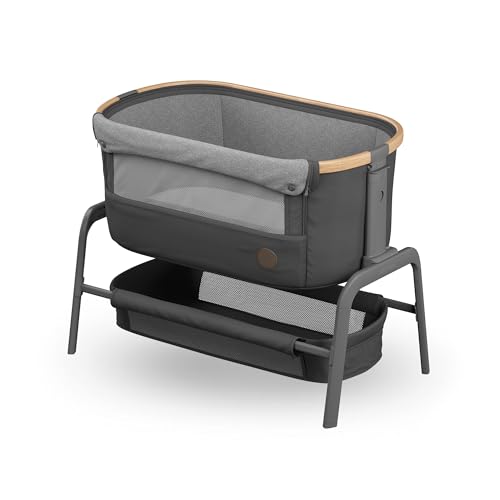


Cheap Cot Beds
Overview
-
Posted Jobs 0
-
Viewed 32
Company Description
The Top Companies Not To Be Monitor In The Baby Cot Beds Industry
Baby Cot Beds: The Perfect Haven for Your Little One
The arrival of a newborn brings enormous happiness and extensive changes in way of life for any household. One of the most important decisions moms and dads face is picking the best sleep environment for their baby. A baby cot bed is more than simply a furniture piece; it is a sanctuary where children will invest a considerable amount of their early years. This short article looks into the various aspects of baby cot beds, consisting of types, benefits, functions to consider, and answers to common concerns.

What is a Baby Cot Bed?
A baby cot bed, often referred to merely as a cot, is a small bed developed particularly for babies and young children. Unlike conventional cribs, cot beds can normally transform into young child beds or junior beds, making them versatile options for growing families. The design and security measures implemented in baby cot beds make sure that babies have a safe and comfy sleeping environment.
Types of Baby Cot Beds
When choosing a baby cot bed, parents have a number of options. Below is a table summing up the common types of baby cot beds available on the market:
| Type of Cot Bed | Description | Benefits |
|---|---|---|
| Standard Cot | A timeless style with fixed sides. Often comes with adjustable mattress heights. | Affordable and space-saving. |
| Convertible Cot | Can transform into a young child bed or even a full-size bed. | Grows with the child, maximizing financial investment. |
| Portable Cot | Lightweight and foldable; simple to transportation. Perfect for travel. | Convenience and versatility for on-the-go households. |
| Moses Basket | A little, portable basket for babies, typically used for the first few months. | Easy to move the house and reassuring for newborns. |
| Cradle | A rocking bed developed to relieve babies to sleep. | Mild motion can help lull babies into slumber. |
Important Features to Consider
When selecting a baby cot bed, numerous crucial functions must be considered to make sure safety and comfort. Here are some important elements:
-
Safety Standards: Ensure that the cot bed fulfills the pertinent safety standards set by regulative bodies. This certification guarantees the product’s security for babies.
-
Product Composition: Look for cot beds made from non-toxic and hypoallergenic materials. Strong wood alternatives tend to be more durable and safer than composites.
-
Adjustable Mattress Height: Many cot beds include adjustable mattress levels, permitting parents to reduce the bed as the child grows. Start with a higher position for newborns and lower it for toddlers.
-
Size: Consider the size of the cot bed in relation to the area available in your nursery. Cot beds usually are available in basic sizes, but double-check the dimensions.
-
Bed mattress Quality: The bed mattress ought to be firm and in shape comfortably within the cot to prevent any spaces. Try to find breathable products for enhanced air flow.
-
Relieve of Assembly: Choose a cot bed that is easy to put together and disassemble, especially if you plan to move it around your home or travel.
-
Design & & Aesthetics: While security and functionality are vital, consider the design and finish of the cot bed to match your nursery decoration.
Benefits of Using a Baby Cot Bed
A baby cot bed offers various benefits that contribute to a child’s well-being and comfort.
- Security First: Cot beds are created with safety in mind, featuring durable sides and sound frameworks to prevent falls.
- Comfy Sleeping Environment: The designated space motivates an excellent sleeping routine, crucial for an infant’s development and advancement.
- Versatile Options: Many cot beds convert into beds, permitting parents to utilize them for numerous years, which can be cost-effective.
- Ease of Access: Revolutionary creates now allow moms and dads quick access to their sleeping infants, reducing feeding or soothing.
- Aesthetic Appeal: Cot beds can be found in various designs and colors, enhancing the nursery’s design while supplying a dedicated space for the baby.
Often Asked Questions (FAQs)
1. At what age can I transition my baby from a cot to a young child bed?
The majority of moms and dads shift their kids from a cot bed to a toddler bed when they reach about 2-3 years old. Signs might include climbing up out of the cot or substantial growth.
2. How do I choose the right mattress for a cot bed?
Select a firm mattress that fits snugly in the cot bed frame. Make sure that it is made from breathable, hypoallergenic products for maximum security and convenience.
3. Are cot beds safe for babies?
Yes, baby cot beds are developed to keep babies safe. Search for ones that fulfill security regulations and have functions like adjustable heights.
4. Can I use a cot bed from birth?
Absolutely! Lots of cot beds are created to accommodate babies, specifically those with adjustable mattress heights.
5. How can I ensure my newborn sleeps securely in a cot bed?
To make sure security, constantly put your baby on their back to sleep, avoid utilizing heavy bed linen or toys in the cot, and frequently examine that the bed mattress fits comfortably without spaces.
6. What products should I avoid when choosing a cot bed?
Prevent cot beds made from products containing hazardous chemicals or heavy surfaces, such as lead-based paints or artificial products that may give off contaminants.
Choosing the right baby cot bed is among the most important choices moms and dads will make in preparation for their kid’s arrival. With different options, safety functions, and designs available, there is a best cots For newborns (47.109.177.227) suitable for every household. By focusing on security, comfort, and design, parents can produce a nurturing sleeping environment that will benefit their kid for many years to come. Whether choosing a convertible cot, portable choice, or basic style, each option offers unique benefits that can deal with the requirements of growing families.